Commercial Real Estate Agent In-Depth Guide to Their Role and Importance
A commercial real estate agent is a licensed professional who specializes in helping clients buy, sell, lease, or manage properties intended for business use. These properties can range from office buildings and retail spaces to warehouses and industrial complexes. Unlike residential real estate agents, commercial agents must handle more complex transactions involving zoning laws, investment returns, and long-term business goals.
Their role extends beyond just finding or listing properties. They act as advisors, guiding clients through negotiations, legal requirements, and market analysis. Because commercial transactions often involve high-value investments, the expertise of an agent becomes vital for minimizing risk and maximizing value.
Why Businesses Need a Commercial Real Estate Agent
Commercial real estate agents bridge the gap between investors, landlords, and tenants. Their market knowledge provides insights into current trends, such as rental rates, vacancy statistics, and future growth areas. For businesses seeking expansion, a skilled agent ensures they secure a location aligned with operational needs and customer reach.
Without an agent, business owners risk overpaying or choosing properties that fail to meet long-term objectives. Agents also save clients time by streamlining searches, conducting due diligence, and coordinating with legal teams. This efficiency allows businesses to focus on growth instead of getting bogged down in property transactions.
Key Responsibilities of Commercial Real Estate Agents
Commercial real estate agents carry out tasks that extend far beyond simple property tours. Their responsibilities include:
-
Conducting market research to evaluate property values and trends.
-
Negotiating deals that protect clients’ financial interests.
-
Preparing detailed reports for investors regarding income potential and risks.
-
Assisting with zoning regulations and compliance issues.
They also act as the first point of contact for professionals such as lawyers, inspectors, and property managers, ensuring smooth and legally sound transactions.
Benefits of Technology in Commercial Real Estate
Technology has transformed how commercial real estate agents operate. Tools like AI-driven property analytics, virtual tours, and real-time market dashboards allow agents to provide data-backed recommendations to clients. These advancements reduce the time spent on property scouting and give clients a transparent view of investment opportunities.
For example, virtual tours enable out-of-town investors to view properties without traveling. AI tools help predict future rental yields based on current trends, allowing for more strategic decision-making. By leveraging these technologies, agents increase efficiency and ensure clients make informed choices backed by solid data.
Real-World Examples of Commercial Real Estate Agent Impact
Example 1: Leasing Office Spaces in Urban Centers

A commercial real estate agent played a key role in securing prime office space for a growing tech company in New York City. By understanding the client’s need for accessibility and talent pool proximity, the agent identified a location that supported the company’s expansion. Their negotiation skills helped lower lease costs while securing flexible terms.
Example 2: Retail Expansion in High-Traffic Areas

A retail brand sought new outlets in busy shopping districts. The agent researched foot traffic data, consumer demographics, and competitor presence. This analysis helped the client choose locations with higher potential for sales, ensuring long-term profitability.
Example 3: Industrial Space for Logistics Companies
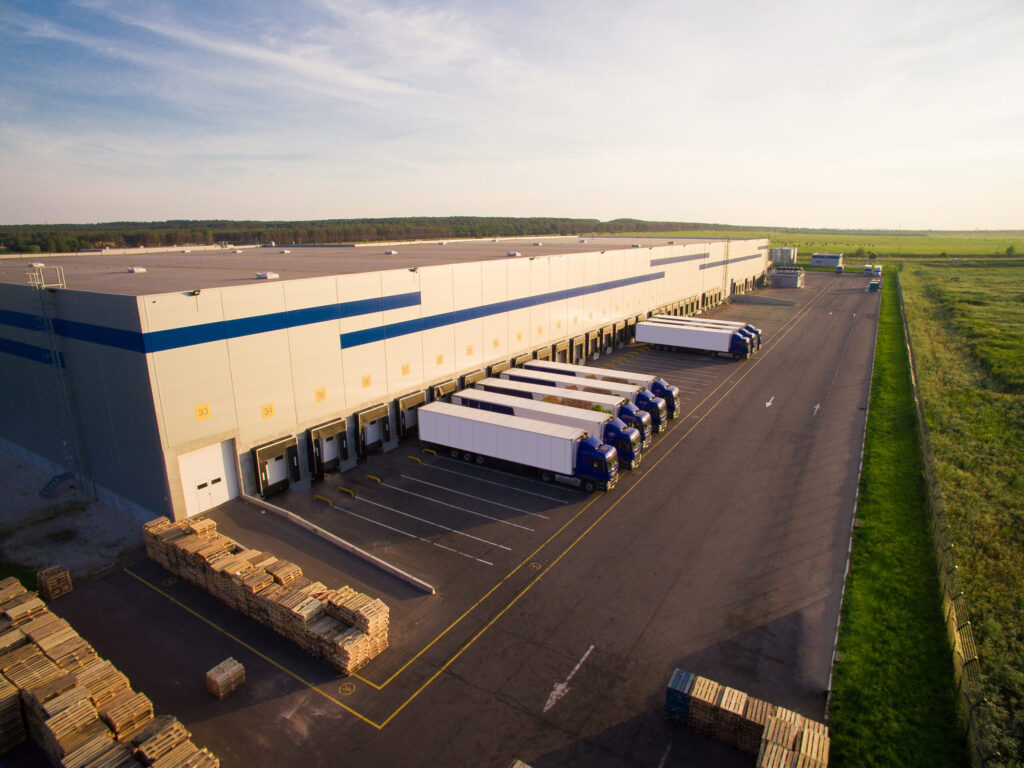
Logistics companies often require warehouses near major highways. An agent helped a logistics client find a property with optimal access, ample storage, and zoning compliance. The choice significantly reduced transportation costs and improved delivery efficiency.
Example 4: Flexible Leases for Startups

Startups typically operate on limited budgets and need scalable spaces. A commercial real estate agent secured a shared office facility with flexible lease terms, allowing the startup to grow without heavy financial commitments.
Practical Benefits of Hiring a Commercial Real Estate Agent
Hiring an agent ensures businesses avoid costly mistakes in high-value property transactions. Their expertise brings:
-
Market Insights: Agents know where growth is happening and where investments are risky.
-
Time Savings: They filter properties based on client goals, saving weeks of research.
-
Negotiation Power: Agents negotiate terms that favor the client, from lease flexibility to maintenance responsibilities.
-
Risk Reduction: With professional guidance, businesses minimize risks related to zoning laws, financing, or unforeseen property issues.
These advantages make agents indispensable partners in commercial real estate ventures.
Use Cases of Commercial Real Estate Agents in Action
1. Solving Location Challenges
A company moving its headquarters may struggle to find a space that fits employees’ commuting needs. An agent analyzes transportation networks and employee distribution to select an optimal site.
2. Reducing Operational Costs
By negotiating lower rents or securing tax incentives, agents help businesses cut recurring expenses. This financial relief improves long-term sustainability.
3. Expanding into New Markets
Companies entering new cities face unfamiliar regulations and markets. Agents act as local experts, guiding them through laws, pricing, and cultural considerations.
4. Managing Long-Term Investments
For investors, agents monitor property performance and provide strategies for increasing value, ensuring consistent returns.
Frequently Asked Questions
1. What makes a commercial real estate agent different from a residential agent?
Commercial agents handle business properties, requiring deeper knowledge of market analysis, zoning laws, and investment returns. Residential agents focus mainly on personal homes and family needs.
2. How does a commercial real estate agent add value to businesses?
They save businesses time, reduce risks, and ensure optimal property choices through market insights, negotiations, and legal compliance.
3. Can technology replace the role of a commercial real estate agent?
While technology enhances efficiency, human expertise in negotiations, client relationships, and market judgment cannot be fully replaced by digital tools.