Sell My Own Land Complete Guide to Selling Property Independently with Insights and Examples
For many landowners, the question is, How do I sell my own land? Comes from a desire to avoid agent fees, maintain control, or speed up the selling process. Unlike selling a house, selling vacant land requires a unique strategy because the property doesn’t come with walls, roofs, or ready-made functions. Instead, buyers must envision what the land could become, whether it’s a home, farm, or investment.
This comprehensive guide explains the process of selling land independently. It covers what makes land sales unique, the role of technology, real-world examples, and practical use cases where going the independent route is beneficial.
Understanding the Concept of Selling Your Own Land
When people decide to sell their own land, they typically aim to cut out intermediaries such as brokers or real estate agents. While this gives owners more freedom and control, it also means handling the responsibilities of marketing, negotiations, and paperwork on their own.
Independence can be empowering, but it also demands preparation. Knowing the zoning details, legal boundaries, and ownership documents is essential before any sale can happen. Sellers who are proactive with these details find the process far smoother and faster.
Key Considerations Before You Sell Your Own Land
Preparing Property Information
Selling land independently starts with transparency. Buyers want to know the lot size, zoning classification, legal access, and any restrictions. Preparing this information in advance not only builds trust but also reduces delays during negotiations.
For example, if your land is zoned for residential use, you should state whether it allows single-family homes or multi-unit housing. This detail can be the deciding factor for developers.
Pricing Your Land Realistically
One of the biggest mistakes independent sellers make is overpricing. Unlike homes, where comparable values are easier to calculate, land prices vary widely based on location, access to utilities, and future potential. Conducting market research and reviewing similar nearby land transactions is vital to setting an attractive yet fair price.
When sellers anchor their expectations realistically, they can attract serious buyers much faster.
Real-World Examples of Selling Land Independently
Example 1: Small Residential Lot in Suburb
A homeowner owned a quarter-acre lot inherited from the family in a suburban neighborhood. Instead of hiring a realtor, they posted detailed photos, zoning documents, and maps on community boards and online listings. By showcasing the lot’s readiness for a single-family home, the seller attracted a local builder who closed within weeks.
This example shows that preparation and clear communication are crucial when selling land directly.
Example 2: Agricultural Acreage in Rural Area
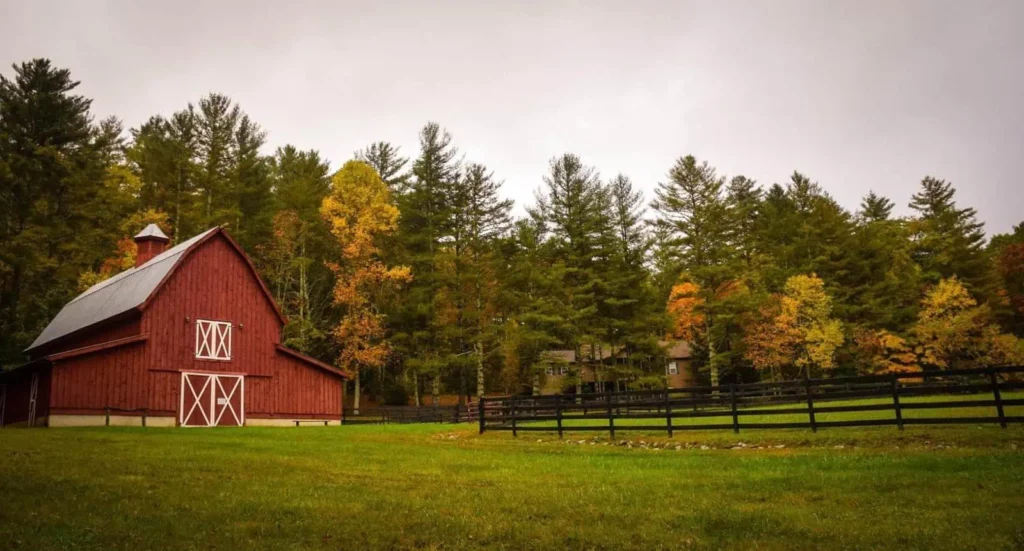
A farmer decided to downsize and sell 20 acres of unused farmland. By directly marketing to nearby farmers and ranchers, he bypassed agencies and negotiated person-to-person. The buyer appreciated the transparency and speed of the process, which avoided long realtor delays.
This case demonstrates that in niche markets, independent sales can be more effective than broad listings.
Example 3: Inherited Land with Tax Burden
A family inherited a parcel located several states away. Property taxes kept adding up, and they wanted to offload the responsibility quickly. They researched local zoning, hired a surveyor to prepare documentation, and then listed the property on regional online forums. Within a month, they had connected with a nearby buyer who wanted additional acreage.
This illustrates how independent selling works even for distant property, as long as the seller organizes all necessary details.
Example 4: Commercial Lot in a Developing Area
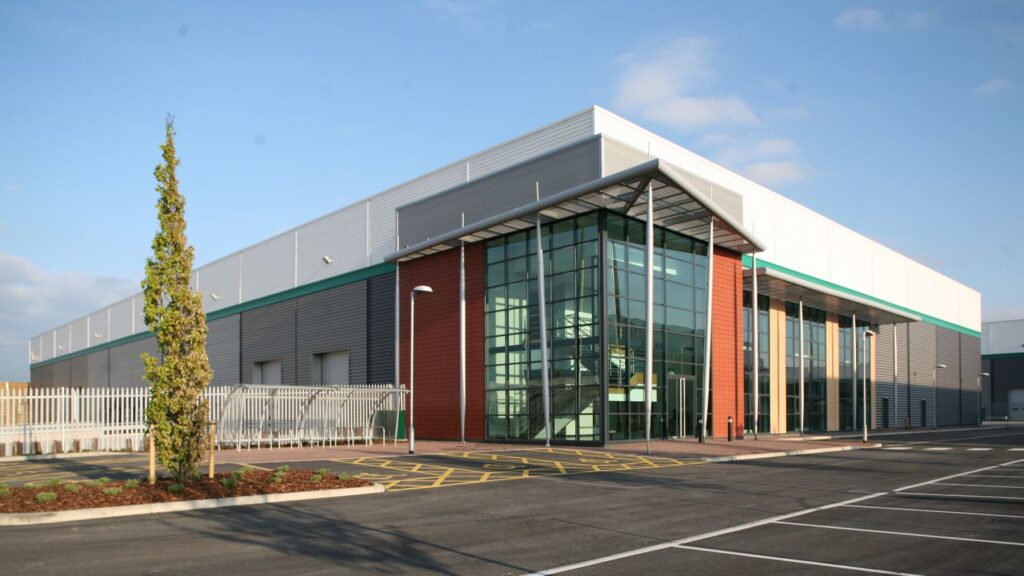
An investor owned a vacant commercial lot in an older neighborhood. By directly contacting local business owners and developers, they positioned the lot as a prime redevelopment opportunity. The strategy worked, and within a short period, the land was sold to a group that planned a small retail strip.
This proves that reaching out to potential buyers directly can create opportunities without relying on agents.
The Role of Technology in Selling Land Independently
Digital Marketing Tools
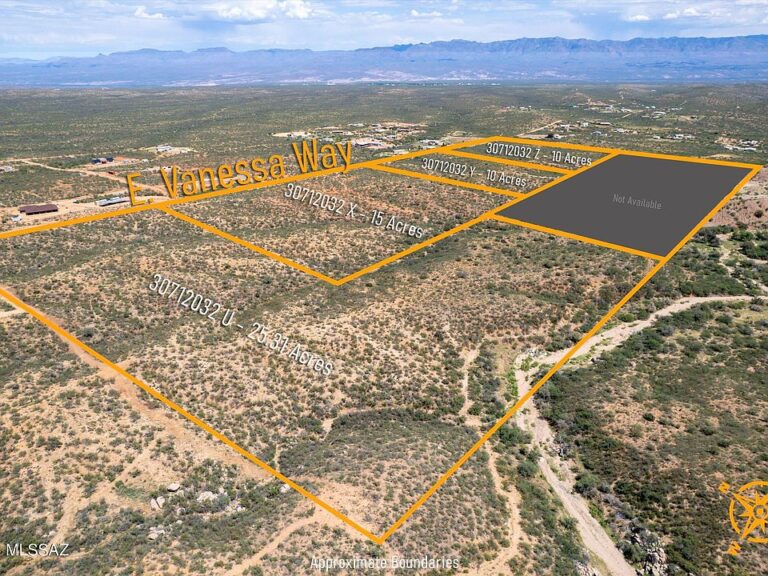
Today, technology has simplified the process of connecting with buyers. High-quality drone photography, satellite imagery, and online map integrations give buyers a clear sense of property layout and surroundings without visiting in person.
Independent sellers can leverage real estate platforms, social media, and specialized land websites to showcase their property to a wider audience. This broader exposure significantly increases the chance of a faster sale.
Online Documentation and E-Signing
Gone are the days of endless paperwork exchanges. With digital signature platforms and online title services, sellers can complete most of the legal process remotely. This reduces time, travel costs, and complications, making independent selling just as efficient as agent-assisted transactions.
Benefits of Selling Your Own Land
Saving on Commissions
By choosing to sell independently, landowners save on realtor fees, which typically range from 5% to 10%. On high-value parcels, this saving can be substantial. The money saved can be reinvested elsewhere, making the process more financially rewarding.
Full Control of the Process
Independent sellers decide how to market, who to negotiate with, and what terms to accept. This control gives them the flexibility to adjust strategies quickly depending on buyer interest.
For example, if there’s strong local demand, they can choose to focus marketing efforts within their community instead of spreading resources too thin.
Direct Communication With Buyers
Eliminating intermediaries allows for transparent, person-to-person negotiation. Buyers often appreciate direct conversations, as they foster trust and eliminate miscommunication that can happen through third parties.
Use Cases Where Selling Your Own Land Makes Sense
Downsizing or Relocation
When moving to a new location, owners may prefer to liquidate land quickly without paying commissions. Selling independently ensures they pocket more of the final sales amount.
Inherited Property with No Plans for Use
Heirs often inherit land without interest in keeping it. Selling independently allows them to resolve ownership responsibilities quickly while maximizing financial return.
Avoiding Long Agency Timelines
Real estate agents may prioritize homes over vacant land, leading to slow marketing. Independent selling gives owners the chance to speed things up by taking matters into their own hands.
Investment Turnover
Investors who regularly buy and sell land often choose independent sales to avoid repetitive commissions. For them, efficiency and savings are key benefits.
Frequently Asked Questions
1. Is it harder to sell land on my own compared to hiring an agent?
Yes and no. It requires more effort because you’ll handle marketing and legal details yourself. However, with preparation and the right use of technology, selling independently can be equally effective and often faster.
2. What documents do I need before I can sell my own land?
Typically, you’ll need the deed, property survey, tax records, and zoning information. Having these organized in advance reassures buyers and prevents delays during the transaction.
3. Do I get more money by selling my land without an agent?
In many cases, yes. By saving on commissions and controlling negotiations, sellers can maximize their returns. However, the fit also depends on accurate pricing and effective marketing.