Farm Realtor Complete Guide to Agricultural Real Estate and Land Investment Success
A farm realtor is a licensed real estate professional specializing in the buying, selling, and leasing of farmland, ranches, and agricultural properties. Unlike traditional residential realtors, farm realtors require expertise in land valuation, soil types, water rights, crop potential, and agricultural zoning regulations. Their role is crucial for farmers, investors, and landowners who want to maximize the value of agricultural real estate.
The expertise of a farm realtor goes beyond simple transactions. They understand the complexities of rural land, including irrigation systems, livestock accommodations, and access to transportation routes. Whether representing buyers or sellers, farm realtors bridge the gap between agricultural needs and real estate opportunities, ensuring that transactions are fair, transparent, and profitable.
Why Farm Realtors Are Essential in Agricultural Real Estate
Agricultural real estate is highly specialized. Unlike houses or commercial buildings, farmland requires an understanding of productivity, sustainability, and future land use. A farm realtor’s knowledge ensures that buyers know exactly what they’re purchasing and sellers receive a fair price for their land.
Farm realtors also provide insights into market trends, such as shifts in crop demand, government subsidies, or urban expansion pressures. By navigating these complex dynamics, they help clients avoid costly mistakes and make informed decisions that align with their financial and operational goals.
Core Responsibilities of a Farm Realtor
Land Valuation and Pricing
One of the most important jobs of a farm realtor is accurately valuing farmland. They evaluate soil fertility, irrigation access, and market demand for crops or livestock to determine a realistic selling price. Unlike residential properties, farmland value can fluctuate depending on agricultural productivity and commodity prices.
Accurate valuation helps sellers maximize profits and ensures that buyers make a wise investment. This process requires both technical analysis and local knowledge of agricultural trends.
Negotiating and Structuring Deals
Farm realtors act as negotiators on behalf of their clients. Because farmland transactions often involve large acreages and significant financial commitments, negotiations can be complex. Realtors must account for long-term leases, easements, and water rights in structuring agreements.
Their negotiation skills protect the interests of clients while ensuring that deals are completed smoothly and legally. This professional guidance is particularly valuable for first-time buyers and investors unfamiliar with agricultural real estate.
Legal and Regulatory Guidance
Agricultural transactions often involve multiple layers of regulation, including zoning laws, conservation easements, and environmental compliance. Farm realtors guide clients through these requirements to prevent legal issues.
They collaborate with lawyers, surveyors, and government agencies to ensure every aspect of the deal complies with applicable laws. This reduces risks and adds confidence to the process.
Benefits of Using Technology in Farm Real Estate
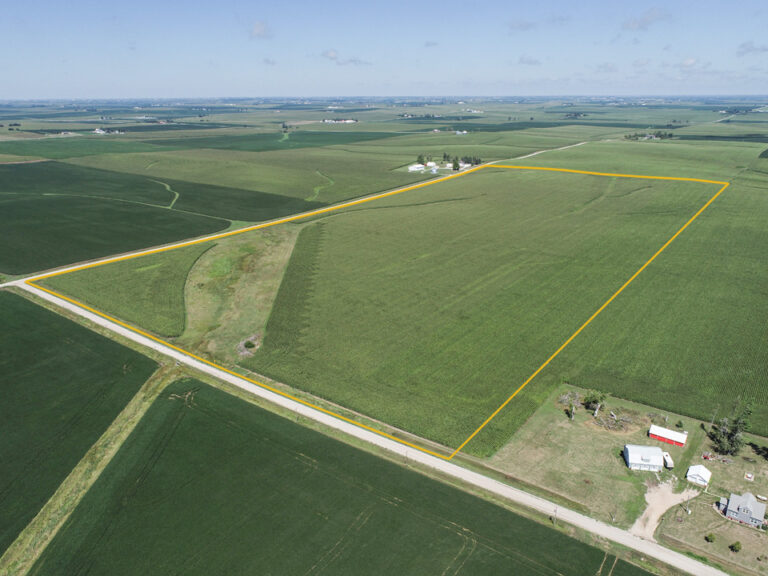
Technology has transformed the way farm realtors operate. Geographic Information Systems (GIS), satellite imaging, and drone surveys allow realtors to provide clients with detailed insights into land quality and topography. These tools make it easier to evaluate soil health, identify drainage issues, and assess overall suitability for specific crops or livestock.
Online property databases and digital mapping tools help realtors market farmland more effectively. Potential buyers can view land virtually, analyze irrigation potential, and even calculate estimated yields. Technology also speeds up the due diligence process, saving clients both time and money.
In addition, communication platforms and data-sharing systems have made farm real estate transactions more transparent. Buyers and sellers can access digital contracts, land reports, and valuations from anywhere, increasing efficiency in closing deals.
Real-World Examples of Farm Realtor Use Cases
Example 1: Transitioning Farmland to Organic Production
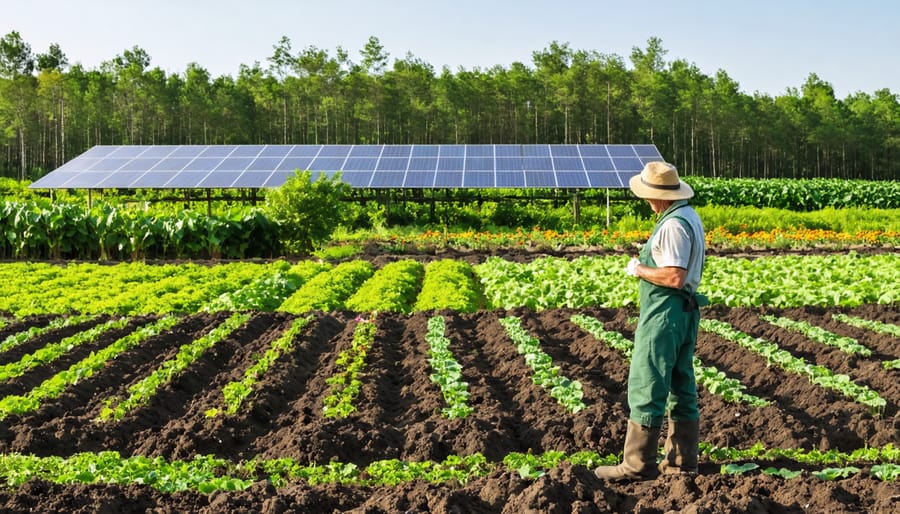
A farmer wanted to sell land previously used for conventional farming. A farm realtor marketed the land to organic producers by emphasizing its soil quality and proximity to organic markets. By targeting the right buyers, the realtor secured a higher selling price and ensured the land continued to be used sustainably.
This example highlights how specialized knowledge of agricultural trends helps realtors connect sellers with niche buyers.
Example 2: Ranch Expansion in the Midwest
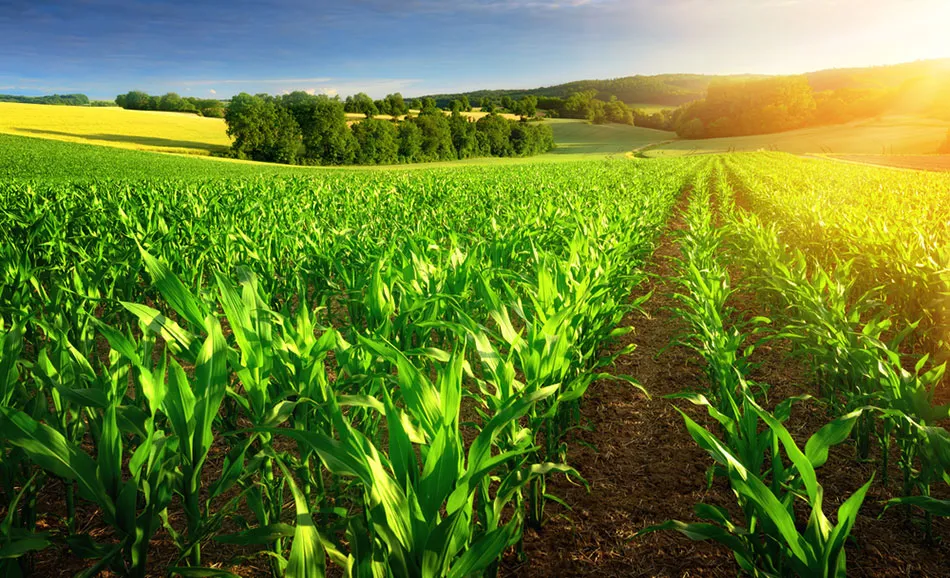
A rancher looking to expand cattle operations worked with a farm realtor to identify nearby properties with reliable water access and grazing land. The realtor’s expertise in evaluating land for livestock use made it possible to find an ideal property that supported long-term growth.
Without the realtor’s guidance, the rancher might have overlooked critical land suitability factors.
Example 3: Investment in Agricultural Land for Long-Term Appreciation
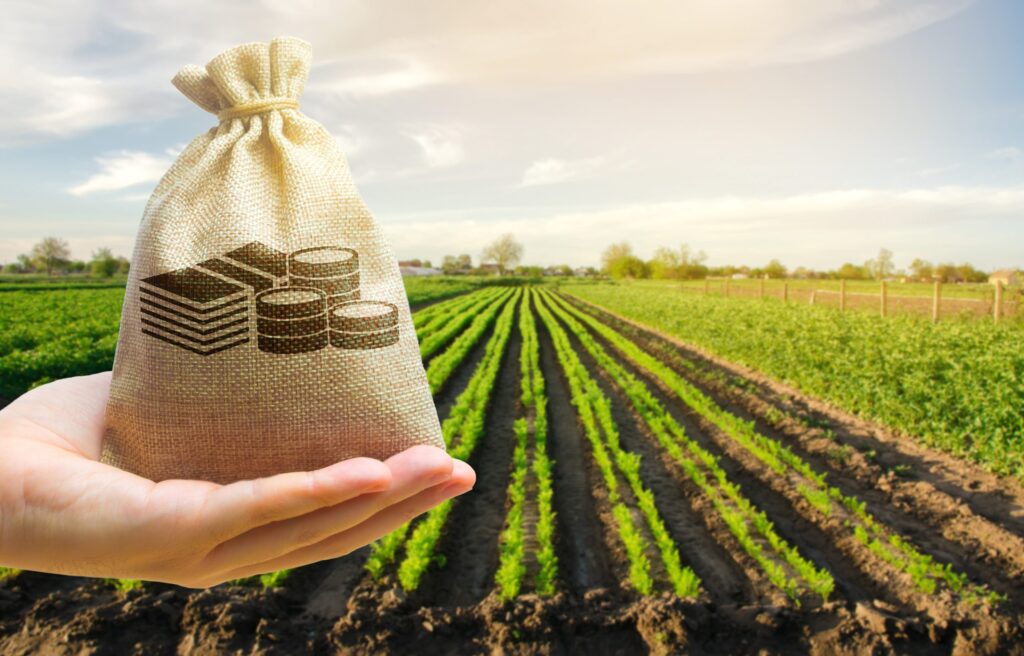
An investor with no farming background turned to a farm realtor for advice on purchasing agricultural land. The realtor identified parcels in regions with high urban expansion potential, ensuring the land would appreciate significantly in value. The investor benefited from both rental income through leases and future resale profits.
This demonstrates how farm realtors can bridge the gap between non-agricultural investors and profitable farmland opportunities.
Example 4: Resolving Zoning Challenges for a Family Farm
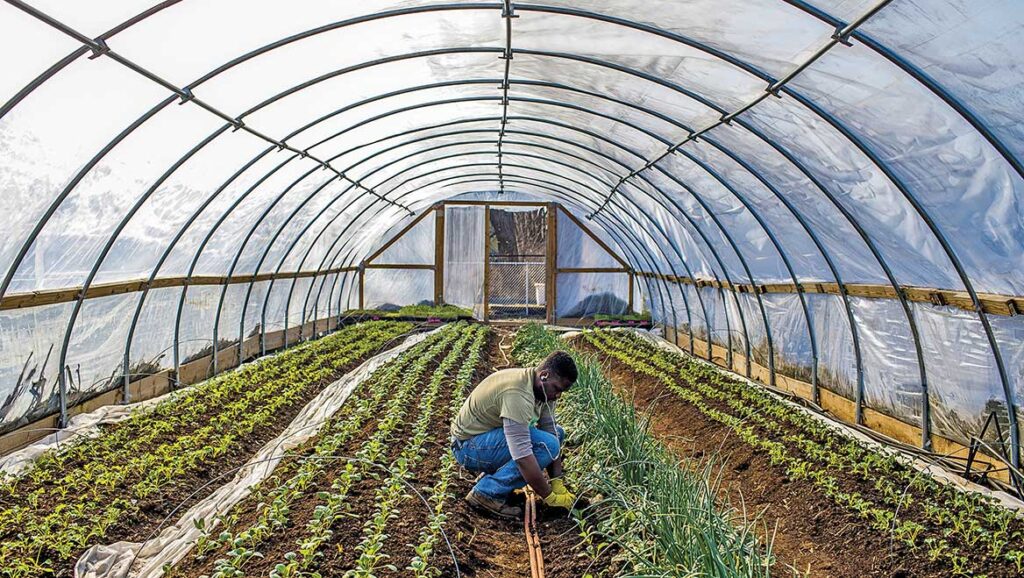
A family farm was struggling to sell land due to restrictive zoning regulations. A farm realtor collaborated with local officials to rezone the property for mixed agricultural and residential use. This not only attracted new buyers but also increased the overall value of the land.
Such problem-solving showcases how farm realtors create solutions that benefit both landowners and buyers.
Practical Benefits of Working with a Farm Realtor
Hiring a farm realtor offers several practical advantages. For sellers, it means access to a wider pool of buyers and professional marketing strategies that highlight the land’s best features. For buyers, it ensures a smooth purchase process with reliable information about land suitability, market value, and regulatory issues.
Farm realtors also provide peace of mind. Since agricultural properties represent significant financial investments, their expertise minimizes risks while maximizing profitability. By acting as trusted advisors, they help clients make decisions with long-term benefits.
Real-Life Use Cases of Farm Realtors
Helping First-Time Buyers Enter Agriculture
Farm realtors are often essential for first-time farmers who lack knowledge of soil quality, crop suitability, or water access. By guiding them toward appropriate properties, farm realtors make it easier for new entrants to succeed in agriculture.
Supporting Generational Farm Transitions
When families pass farmland down through generations, emotions often mix with financial decisions. Farm realtors provide objective valuations and strategies for selling, leasing, or dividing property, making transitions smoother.
Connecting Landowners with Investors
Many farmland owners prefer to lease their property rather than sell it. Farm realtors connect these landowners with investors looking for steady rental income, creating win-win scenarios.
Unlocking Untapped Value in Rural Areas
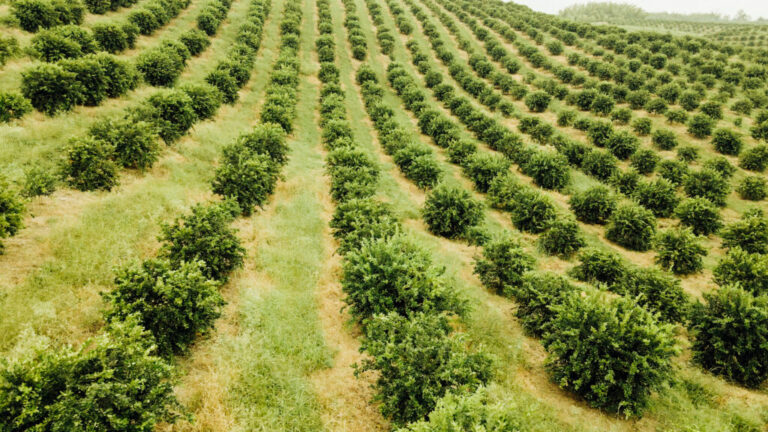
Farm realtors identify hidden potential in rural lands, such as conversion to vineyards, orchards, or renewable energy projects. Their expertise helps unlock long-term value for both owners and investors.
Frequently Asked Questions
1. What is the difference between a farm realtor and a regular realtor?
A farm realtor specializes in agricultural properties, requiring knowledge of soil health, water rights, zoning laws, and crop or livestock potential. Regular realtors typically focus on residential or commercial properties and may not have this specialized expertise.
2. How do farm realtors determine the value of farmland?
They assess soil fertility, access to water, crop yields, market trends, and location factors. Farm realtors often use agricultural reports and technology such as GIS mapping to provide accurate valuations.
3. Can investors with no farming background work with farm realtors?
Yes. Many investors turn to farm realtors to help them identify profitable farmland opportunities. Realtors guide them in choosing properties that align with investment goals, whether for leasing, long-term appreciation, or resale.