Best Guide on How to Sell a Commercial Building Fast
Selling a commercial building is different from selling a residential property. The process requires more planning, documentation, and strategic marketing to attract serious buyers or investors. A commercial building could be anything from an office space to a retail complex or an industrial warehouse. Each type has its own challenges and advantages when it comes to sales.
Unlike residential transactions, selling commercial property often involves longer timelines and more thorough due diligence. Buyers are more focused on financial performance, such as rental income, long-term leases, or potential for redevelopment. Therefore, a seller must prepare detailed information packages that outline the property’s strengths.
Key Factors Buyers Look For in Commercial Buildings
When buyers consider purchasing a commercial property, they evaluate several aspects. Location remains one of the most critical factors, as proximity to transport, business hubs, or major highways increases value. The physical condition of the building also matters because major repairs can lower buyer interest or negotiation power.
Another important factor is the existing lease agreements. If a property already has strong tenants with long-term leases, it becomes much more attractive to investors who want reliable income streams. The potential for future appreciation and redevelopment opportunities can also influence a buyer’s decision.
Preparing a Commercial Building for Sale
The first step in preparing a commercial building for sale is making sure the property looks well-maintained. Even though investors often focus on numbers, the presentation still matters. A clean and organized property sends the signal that the owner has been taking care of it. Small repairs, landscaping, or even a fresh coat of paint can help improve the first impression.
Documentation is equally important. Sellers should prepare financial statements, tax records, maintenance history, and details about tenant agreements. This reduces friction during the due diligence process and builds trust with potential buyers. The more transparent and organized the information, the faster the deal can move forward.
Technology’s Role in Selling a Commercial Building
Technology has transformed how commercial real estate transactions happen. Online listings with professional photos, 3D tours, and drone footage can make a building more attractive to remote investors. Virtual tours allow potential buyers to explore the property without being physically present, saving time and speeding up the decision-making process.
Digital platforms also allow sellers to market their buildings more effectively. Instead of only relying on local networks, sellers can reach international investors who are actively searching online. Data analytics tools further help by identifying the right buyer groups and tailoring marketing campaigns to reach them.
Real-World Examples of Commercial Building Sales
Example 1: Office Tower in New York City

One notable example is the sale of a mid-sized office tower in Manhattan. The seller focused on highlighting the property’s long-term lease agreements with stable corporate tenants. This assurance of steady rental income made the building appealing to institutional investors. The deal demonstrated that buyers are more willing to pay a premium when income stability is clear.
Example 2: Retail Center in Los Angeles

A retail center in Los Angeles was successfully sold by emphasizing its location near a major highway and a growing residential community. Instead of relying only on financial reports, the seller provided demographic studies showing increasing consumer traffic. This gave buyers a clear picture of the property’s long-term potential.
Example 3: Industrial Warehouse in Dallas
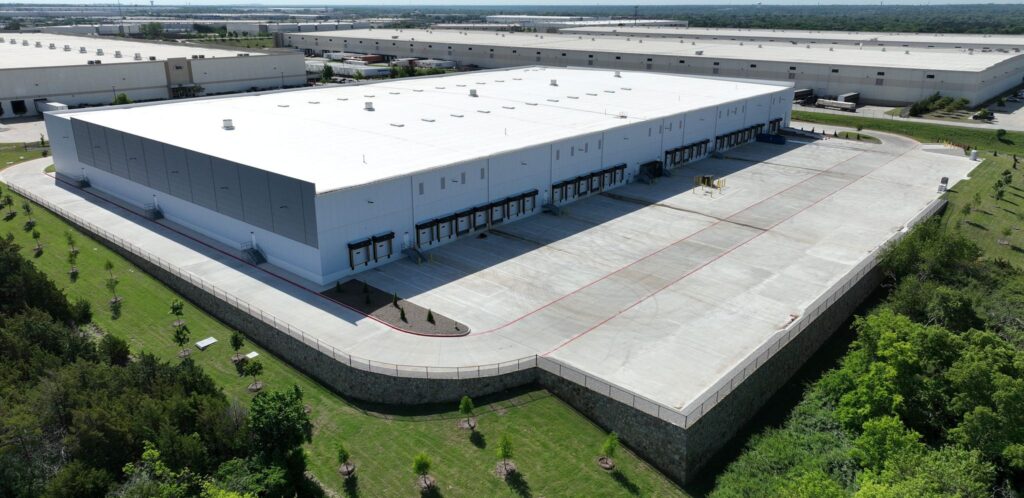
An industrial warehouse in Dallas attracted buyers because of its modern infrastructure, high ceilings, and proximity to transportation hubs. The seller also used drone photography to showcase the facility’s large loading docks and parking spaces. Investors appreciated the visual representation, which made it easier to assess the building’s logistical advantages.
Example 4: Mixed-Use Property in Chicago
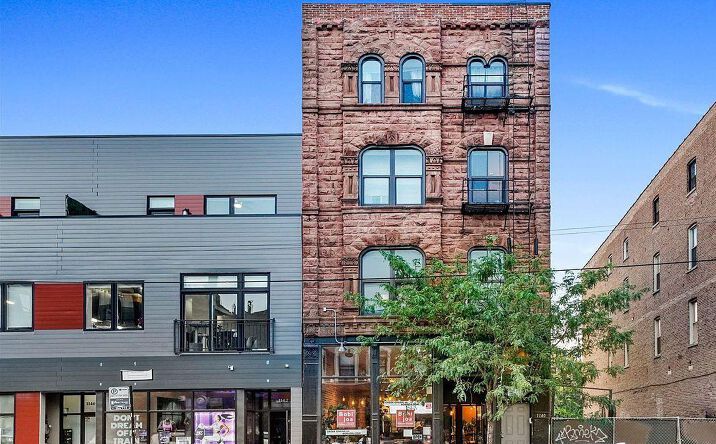
A mixed-use property combining retail on the ground floor and residential units above was sold in Chicago. The seller highlighted the diversity of income streams, which reduced financial risk for buyers. By demonstrating how different types of tenants contributed to profitability, the building became more appealing to a wider range of investors.
Example 5: Historic Commercial Block in Boston

A historic commercial block in Boston was marketed with a focus on its cultural value and redevelopment opportunities. Although older, the property carried architectural significance, which attracted niche buyers. This example shows how sellers can turn a potential weakness, such as an aging building, into a unique selling point.
Practical Benefits of Selling a Commercial Building Strategically
Selling a commercial building with a clear strategy brings multiple benefits. First, it helps maximize the final sale price by targeting the right audience and presenting the property in the best possible way. Second, it reduces the time the property stays on the market. A well-prepared building with strong financial documentation attracts more confident buyers.
Strategic selling also minimizes disputes during negotiations. By being transparent about the property’s condition, income potential, and prospects, sellers can avoid misunderstandings that often delay deals. Technology further enhances these benefits by making the process more efficient and appealing to a wider audience.
Use Cases: Why Selling a Commercial Building Matters
There are many real-life situations where selling a commercial building is useful. For example, a company may decide to downsize and no longer need a large office tower. Instead of letting the building sit vacant, selling it provides capital for reinvestment.
Another use case is for investors looking to rotate their portfolios. If a property has appreciated significantly, selling it can free up funds to invest in other opportunities. Inheritance is another scenario: families who inherit commercial properties may choose to sell rather than manage them long-term. In each case, selling becomes a practical and beneficial solution.
Frequently Asked Questions
1. How long does it take to sell a commercial building?
The timeline varies, but it can take anywhere from a few months to over a year. Factors such as location, tenant agreements, and market conditions play a significant role.
2. Do I need a broker to sell a commercial building?
While it is possible to sell without a broker, most sellers benefit from professional assistance. Brokers bring networks, expertise, and negotiation skills that can speed up the process and achieve better outcomes.
3. What documents should I prepare before selling?
Essential documents include financial statements, tax records, tenant leases, maintenance history, and property condition reports. Having these ready builds buyer confidence and reduces delays during negotiations.