Sell Your Commercial Property Expert Guide to Maximizing Value and Closing Deals Successfully
Selling your commercial property requires more than simply posting a “for sale” sign. Unlike residential real estate, commercial properties often involve complex financial considerations, zoning regulations, and long-term investment opportunities. The process demands a clear strategy that not only showcases the property’s features but also positions it as a viable business asset.
Commercial properties attract a wide range of buyers, from investors seeking stable rental income to corporations looking to expand their operations. Knowing your audience and tailoring your marketing approach is the first step in ensuring a successful sale.
Why Selling Commercial Property Is Different from Residential Real Estate
Commercial transactions are typically larger in scale, both financially and contractually. Buyers are often more analytical, evaluating the property’s potential for generating income, operational efficiency, and long-term appreciation. This means sellers must prepare detailed documentation, including financial statements, occupancy rates, and lease agreements.
Unlike residential buyers who are often emotionally driven, commercial buyers are driven by data. They expect transparency and evidence of profitability, making preparation and presentation critical for sellers.
Key Factors That Influence the Sale of Commercial Property
Location and Accessibility
The property’s location is one of the most important factors. Commercial real estate near business districts, transportation hubs, or high-traffic areas generally commands higher prices. Accessibility for clients, customers, and employees is also vital in determining its value.
Financial Performance and Tenant Stability
If your property has existing tenants, their stability and reliability play a huge role. Long-term leases with reputable businesses can significantly boost the property’s attractiveness. Potential buyers want assurance that income will continue after the transaction.
Zoning and Permits
Zoning regulations directly affect how a commercial property can be used. Sellers should ensure that all permits are up-to-date and the property complies with local regulations. Highlighting flexible zoning can expand the pool of interested buyers.
Real-World Examples of Selling Commercial Property
Example 1: Office Building in New York City

A mid-sized office building in Manhattan was successfully sold by emphasizing its high occupancy rates and stable rental income. The seller provided detailed financial reports and future leasing projections, which appealed to institutional investors seeking long-term returns.
Example 2: Retail Space in Texas

A retail property located near a growing suburban area in Texas was marketed based on its location and anchor tenants. The seller highlighted nearby residential development and future commercial growth, positioning the property as a high-potential investment.
Example 3: Industrial Facility in California

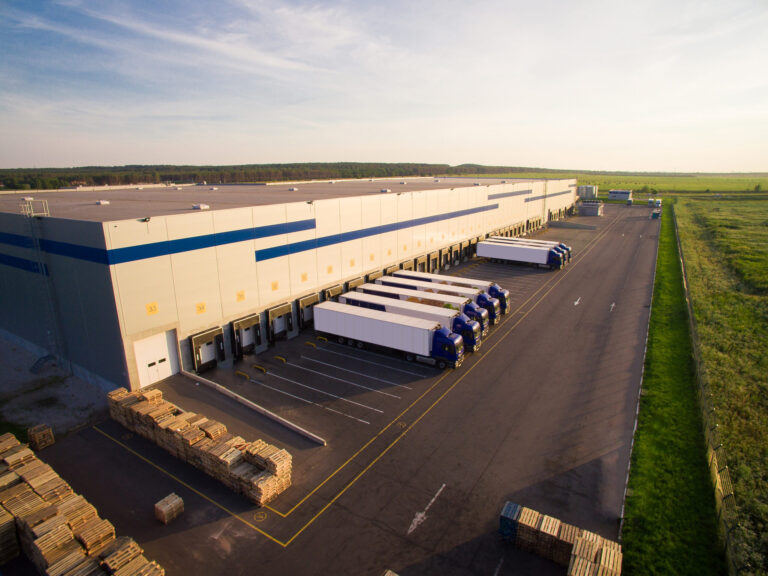
An industrial warehouse in California was sold by showcasing its upgraded infrastructure, including energy-efficient systems and proximity to major shipping routes. By emphasizing operational efficiency and reduced overhead costs, the property attracted logistics companies and investors in e-commerce.
Example 4: Mixed-Use Development in Florida

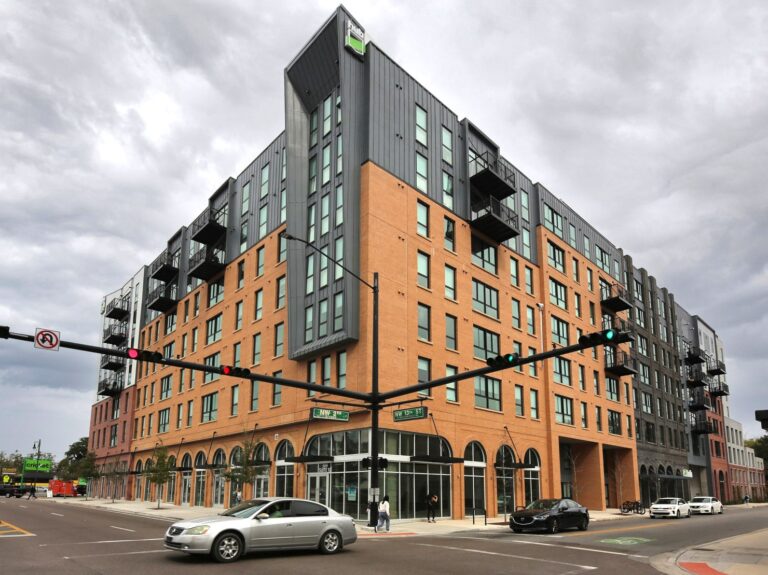
A mixed-use property with retail shops on the ground floor and residential units above was marketed for its diversity of income streams. The seller highlighted its ability to attract both commercial and residential tenants, creating long-term stability and profitability.
Benefits of Using Technology in Selling Commercial Property
Virtual Tours and 3D Walkthroughs
Buyers often evaluate multiple properties before making a decision. Virtual tours save time by allowing users to explore the property remotely. This feature expands your reach to national and even international investors.
Data Analytics for Valuation
Advanced real estate software can analyze market trends, rental income, and comparable sales. These tools provide accurate pricing strategies, helping sellers avoid underpricing or overpricing their property.
Digital Marketing Platforms
Listing properties on specialized commercial real estate platforms and running targeted ads ensures visibility among qualified buyers. Online exposure also helps showcase unique selling points, such as green certifications or expansion potential.
Practical Use Cases for Selling Your Commercial Property
Retirement or Exit Strategy
Many property owners sell when they are ready to retire or exit the business. Converting a physical asset into liquid capital can support retirement planning or fund new ventures.
Portfolio Rebalancing for Investors
Institutional investors and individuals often sell commercial properties as part of their portfolio strategy. By offloading one asset, they can diversify into other sectors or regions, reducing risk and increasing returns.
Adapting to Market Shifts
Market conditions often change. For instance, remote work has reduced demand for office spaces in some regions. Selling at the right time allows property owners to take advantage of market dynamics before values decline.
Family and Estate Planning
Selling a commercial property can simplify estate planning by converting the asset into cash that can be more easily divided among heirs. This avoids potential disputes and provides liquidity for family members.
Overcoming Challenges in Selling Commercial Property
Selling a commercial property comes with challenges such as lengthy due diligence, strict financing requirements, and complex negotiations. Sellers must be prepared for detailed inspections, financial reviews, and legal checks.
Another challenge is finding the right buyer. Unlike residential real estate, where emotional appeal can drive sales, commercial buyers require evidence of profitability and potential. By preparing accurate records and highlighting strengths, sellers can navigate these hurdles successfully.
Frequently Asked Questions
1. How long does it take to sell a commercial property?
The process can take anywhere from six months to over a year. It depends on the property’s location, financial performance, and market demand. Strategic marketing and professional representation can help shorten the timeline.
2. What documents do I need to sell my commercial property?
Essential documents include deeds, financial statements, tenant leases, occupancy records, and zoning certificates. Preparing these in advance helps build buyer confidence and speeds up the due diligence process.
3. Can technology really help sell my commercial property faster?
Yes. Tools like virtual tours, online platforms, and data analytics make properties more appealing and accessible. They also help sellers target the right buyers, which can reduce time on the market.