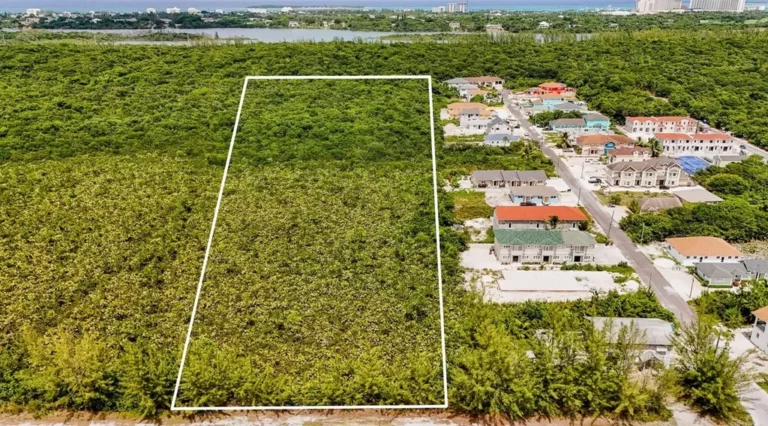
Sell Your Land Complete Guide to Selling Land Effectively
For many property owners, deciding to sell their land can feel overwhelming. Unlike houses, land doesn’t come with a kitchen or a living room to showcase. Buyers often need vision, purpose, and clear details before committing. Whether you inherited land, purchased it as an investment, or simply no longer need it, the right approach makes all the difference.
In this guide, we’ll explore everything from challenges to strategies, real-world examples, and the benefits of technology. By the end, you’ll know how to position your property so it attracts serious buyers and sells more quickly.
Why Selling Land is Different from Selling a House
Land is unique; it’s a blank canvas. This makes it both exciting and challenging. Buyers often need to picture what they can build, farm, or develop on it. Unlike homes that sell because of curb appeal, land requires strong presentation and market positioning.
When you set out to sell your land, you’re not just offering a plot,ot you’re selling potential. Helping buyers see that potential is the key to closing a deal faster.
Key Challenges You May Face
Fewer Active Buyers
Land markets are smaller than housing markets. While everyone needs a home, not everyone needs a vacant lot. This means more effort is required to reach the right audience.
Financing Difficulties
Banks are cautious about lending for land purchases. Many buyers must rely on cash or specialized financing, which can limit the pool of potential buyers.
Zoning and Restrictions
Local zoning laws dictate what buyers can or cannot do with the land. If the land is zoned strictly for agricultural use, for example, it narrows your market.
Lack of Marketing Exposure
Many landowners don’t use the right platforms or strategies, resulting in listings that sit unsold for months.
Effective Strategies to Sell Your Land
Price it Right
Pricing is critical. Overpricing leads to listings that linger, while underpricing means lost value. Research comparable sales in your area, taking into account location, access, and zoning.
Showcase Unique Features
Highlight special elements like water access, trees, road frontage, or mountain views. These features help buyers imagine potential uses. Cleaning up the land, marking property boundaries, and using drone photography can all elevate presentation.
Target the Right Audience
Think about who your ideal buyer is. Developers, farmers, recreational enthusiasts, or investors may all look for different features. Tailor your listing and marketing to attract them specifically.
Real-World Examples of Selling Land Successfully
Example 1: Rural Land in Montana
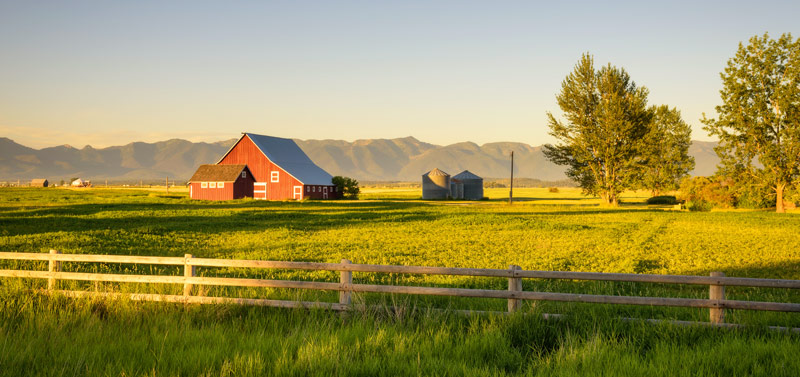
A family inherited 15 acres of rural land. Instead of waiting for a buyer, they highlighted the property’s hunting and outdoor potential on recreational forums. Within two months, an outdoorsman bought the land as a hunting base camp. This case shows the value of marketing directly to the right buyer segment.
Example 2: Suburban Lot in Arizona
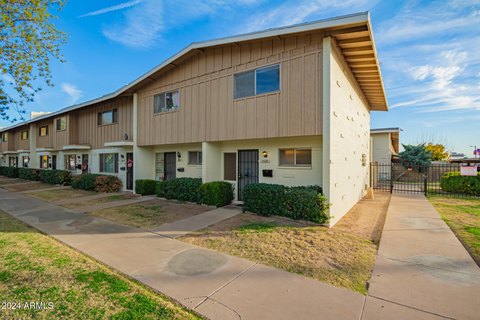
A vacant lot near growing suburbs was tough to sell because of overpricing. The owner adjusted the price after reviewing market comparables and added drone footage showcasing proximity to schools and shopping. A young couple looking to build their dream home purchased it quickly. The lesson: visuals and realistic pricing matter.
Example 3: Agricultural Plot in Iowa

A small farm was difficult to sell because traditional listings weren’t reaching buyers. The seller collaborated with local farm co-ops and advertised in farming groups. A local buyer saw the ad and closed within weeks. Targeting niche buyers made all the difference.
Example 4: Woodland Property in North Carolina

This heavily wooded lot was promoted as a camping and hiking retreat. Photos of trails and wildlife attracted outdoor enthusiasts. A group of friends pooled funds to buy it as their shared vacation property. Positioning land based on lifestyle potential can speed up sales.
The Role of Technology in Selling Land Faster
Technology has transformed how land can be marketed and sold.
-
Drone Photography: Provides a bird’s-eye view that helps buyers see terrain and access points.
-
Virtual Tours: Give potential buyers an immersive experience without visiting in person.
-
Digital Mapping Tools: Outline property boundaries and highlight nearby amenities.
-
Online Listing Platforms: Expand your reach beyond local buyers to regional or international investors.
These tools not only attract more buyers but also build trust, helping them visualize ownership before setting foot on the property.
Benefits of Selling Land Effectively
Selling land the right way brings multiple advantages:
-
Faster Transactions: With proper marketing and exposure, land sells more quickly.
-
Reduced Costs: You cut ongoing expenses such as taxes, maintenance, and liability insurance.
-
Better Returns: By highlighting the land’s potential, you can attract higher offers.
-
Peace of Mind: Freeing yourself from unused land reduces stress and opens up capital for new opportunities.
Practical Use Cases for Selling Land
-
Inherited Property: Many people inherit land they don’t plan to use. Selling it quickly avoids tax burdens and family disputes.
-
Investment Strategy: Some investors sell land to reinvest in higher-performing assets. Speeding up the process keeps their money working.
-
Relocation Needs: Moving across the country? Selling land that you can’t maintain helps simplify the transition.
-
Financial Relief: Owners dealing with debt or unexpected expenses can liquidate land to gain cash flow.
-
Unwanted Maintenance: Vacant lots can require upkeep. Selling avoids long-term responsibilities.
These real-life scenarios show why knowing how to sell your land effectively is a practical and important skill.
Steps to Position Your Land for Sale
Improve Accessibility
If possible, ensure buyers can easily access the property. Mark driveways, create clear entry points, and make visits hassle-free.
Provide Documentation
Offer survey maps, zoning details, and title information upfront. Transparency makes buyers more confident.
Market Aggressively
Use both local and online channels. Community boards, real estate websites, and niche forums can reach the right buyers faster.
Final Thoughts
When you’re ready to sell your land, preparation is everything. Pricing accurately, using technology, highlighting features, and targeting the right buyers can cut months off your selling timeline. Land may not have the instant appeal of houses, but with a strategic approach, it can sell faster and at a better value.
Remember, you’re not just selling dirt, you’re selling dreams, opportunities, and potential.
Frequently Asked Questions
1. How long does it take to sell land compared to a house?
Land typically takes longer to sell since there are fewer active buyers. However, with strong marketing and realistic pricing, land can sell within weeks instead of months.
2. Do I need an agent to sell my land?
Not always. Many landowners successfully sell directly through online platforms. However, agents with land expertise can help navigate zoning, pricing, and buyer negotiations.
3. What documents should I prepare before selling land?
Important documents include the deed, survey maps, zoning details, and any easements. Providing this information upfront builds buyer confidence and speeds up the sale.