Selling Rural Land Complete Guide to Maximizing Value and Closing Deals Successfully
Selling rural land is a unique process that requires more than simply placing a listing online. Unlike urban real estate, rural properties may involve large tracts of land, agricultural rights, zoning regulations, and natural resources. These aspects make selling rural land both more complex and more rewarding when approached correctly.
Rural land sales often involve diverse buyers from farmers and ranchers to investors seeking long-term appreciation, or families looking for recreational space. Understanding the audience and tailoring the sales strategy can help sellers maximize the value of their property.
Why Selling Rural Land Differs from Urban Real Estate
Urban real estate is typically valued based on location and nearby amenities, but rural land is judged by its potential. Soil quality, water access, timber resources, or recreational appeal can significantly affect the selling price. Sellers need to know what makes their land valuable to the right type of buyer.
Additionally, selling rural land often involves longer timelines. The pool of buyers is smaller, but they are usually highly interested and specific about what they want. Proper marketing and accurate documentation are crucial to securing a fair and timely deal.
Key Factors That Influence Rural Land Value
Land Size and Usability
The acreage and topography of rural land significantly impact its value. Large tracts suitable for farming, ranching, or development can command higher prices. However, smaller parcels with scenic views or access to recreational areas may attract niche buyers willing to pay a premium.
Natural Resources and Water Rights
Rural properties often include resources such as timber, minerals, or water rights. These assets must be clearly documented and disclosed, as they can make the property far more attractive to buyers seeking agricultural or commercial opportunities.
Accessibility and Infrastructure
Rural land that is easily accessible via highways or maintained roads has an advantage over remote parcels. Likewise, the availability of electricity, fencing, wells, or barns can increase the property’s value and appeal.
Real-World Examples of Selling Rural Land
Example 1: Timberland in Oregon
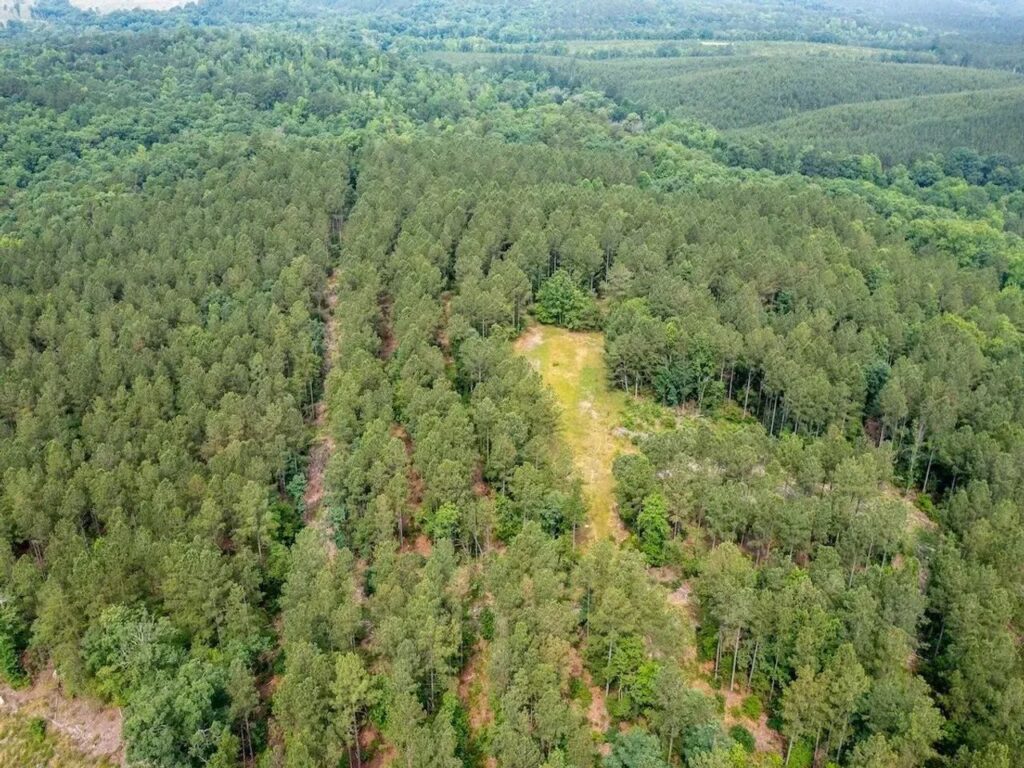
A large tract of timberland in Oregon was marketed not only for its size but for its sustainable forestry management practices. The seller emphasized the land’s potential for long-term logging revenue while highlighting recreational opportunities such as hunting and hiking. This dual-purpose appeal attracted both investors and outdoor enthusiasts.
Example 2: Ranch Property in Montana
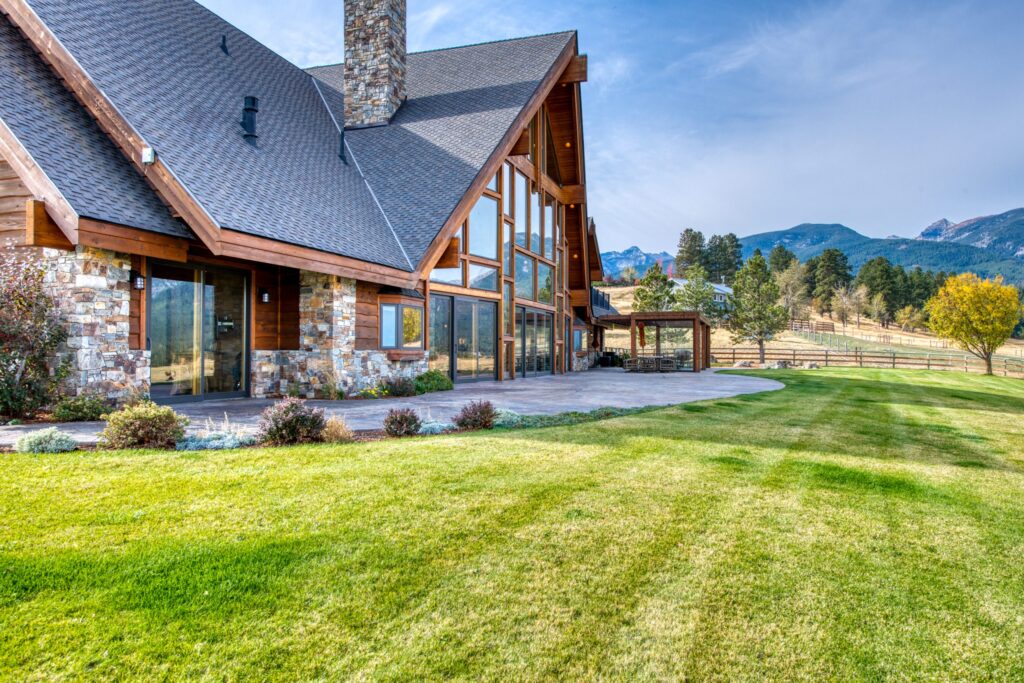
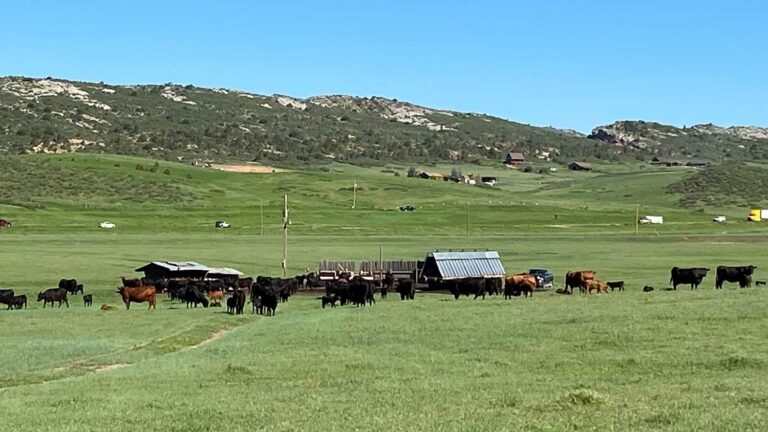
A ranch in Montana was successfully sold by focusing on its combination of grazing capacity and scenic landscapes. The realtor created a narrative around the ranch lifestyle, appealing to buyers seeking both income potential and rural living. Emphasizing the property’s water access and livestock-ready infrastructure added credibility to the listing.
Example 3: Recreational Land in Tennessee
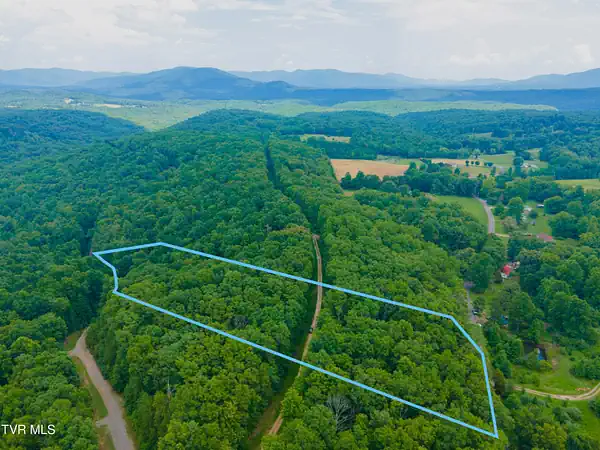
A 100-acre parcel in Tennessee was marketed to families and outdoor enthusiasts. The land had rolling hills, wooded areas, and a natural pond, making it ideal for hunting, camping, and off-road activities. By highlighting its recreational potential, the seller was able to attract non-traditional buyers outside of farming communities.
Example 4: Agricultural Land in Kansas
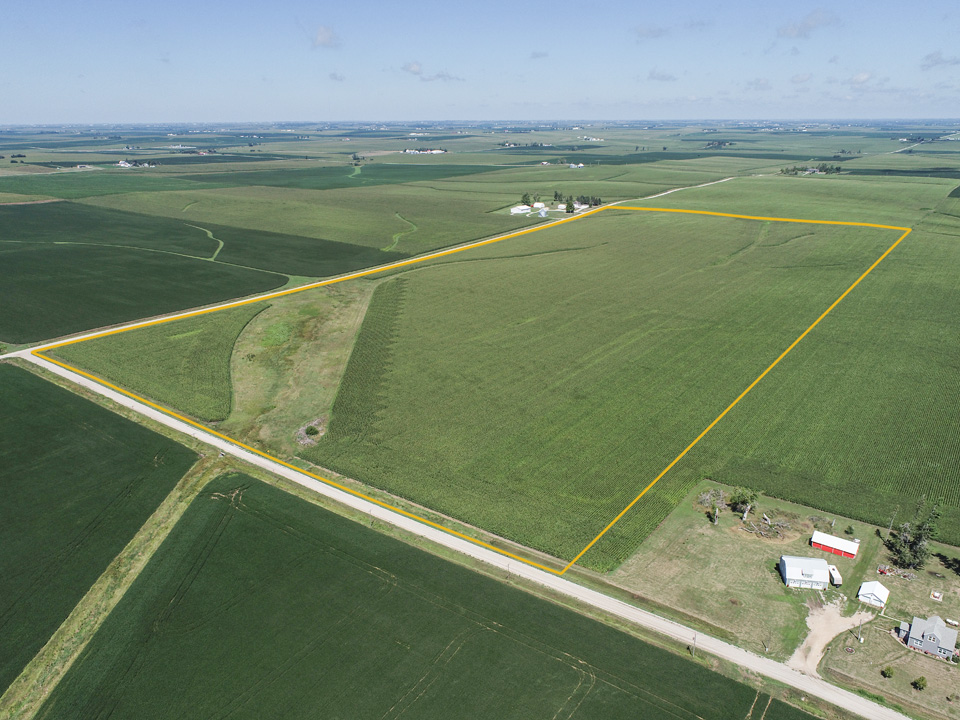
A Kansas farm specializing in wheat and corn production demonstrated the importance of soil quality and irrigation systems. The realtor provided detailed crop yield histories, which gave buyers confidence in the land’s productivity. This approach attracted investors looking for reliable agricultural income.
Benefits of Using Technology in Selling Rural Land
Digital Mapping and GIS Tools
Geographic Information Systems (GIS) help sellers showcase land boundaries, topography, and resource distribution. Buyers can visualize the full scope of the property without setting foot on it initially.
Drone Photography and Virtual Tours
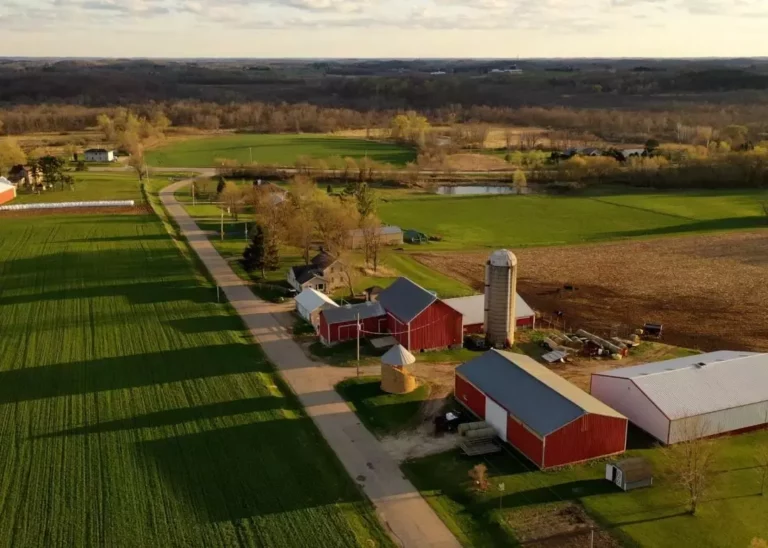
High-quality drone footage offers aerial perspectives that highlight the land’s features. Virtual tours allow potential buyers from across the country to explore the property remotely, reducing the time and cost of site visits.
Online Marketing Platforms
Specialized rural real estate websites and digital ads allow sellers to reach targeted buyers. This is especially effective for unique properties like hunting land, ranches, or organic farms, which might not appeal to traditional homebuyers but have strong niche demand.
Practical Use Cases for Selling Rural Land
Estate Planning and Inheritance
Inherited rural properties may need to be sold to distribute assets among family members. Transparent valuations and professional marketing ensure the land sells fairly, avoiding disputes.
Transitioning Out of Farming or Ranching
Many landowners choose to sell when moving away from agriculture. Selling rural land can provide capital for retirement or other ventures, making the transition smoother.
Recreational Market Growth
With the rise of outdoor activities, many buyers are seeking rural land for recreation. Properties marketed for hunting, fishing, or camping can reach a broader audience than traditional agricultural buyers.
Investment and Development Opportunities
Investors often view rural land as a long-term asset, whether for future development, resource extraction, or appreciation. By presenting rural land with accurate financial potential, sellers can appeal to serious investment-minded buyers.
Overcoming Challenges in Selling Rural Land
Selling rural land often presents hurdles such as remote locations, limited infrastructure, or complex zoning regulations. To overcome these challenges, sellers should focus on proper documentation, clear marketing, and highlighting unique selling points such as natural beauty or agricultural productivity.
Another challenge is setting the right price. Overpricing can drive buyers away, while underpricing can leave money on the table. A professional appraisal helps strike the right balance, ensuring a fair market transaction.
Frequently Asked Questions
1. How long does it take to sell rural land?
The timeline can range from several months to over a year, depending on location, demand, and property features. Using technology and professional marketing can help shorten this timeframe.
2. What documents are essential when selling rural land?
Key documents include property deeds, surveys, water rights, zoning certificates, and resource reports. Preparing these in advance builds buyer trust and speeds up the process.
3. Is rural land a good investment for buyers?
Yes, rural land can provide value as an agricultural asset, recreational property, or long-term investment. Buyers often see it as a hedge against inflation and a way to diversify their portfolio.